

Yoga for PTSD
Finding Calm in the Body Again

For many veterans and wounded warriors, healing doesn’t only happen in the mind - it also happens in the body.
Post-traumatic stress can live in the nervous system long after the original danger has passed. Even when someone consciously knows they are safe, the body may still react with hyper-alertness, tension, difficulty sleeping, or a constant feeling of being “on edge.” This is where practices like yoga can play a powerful supporting role.
Yoga isn’t about flexibility or complicated poses. At its core, yoga is simply the practice of reconnecting breath, body, and awareness. For people living with PTSD, that reconnection can be deeply healing.

Why yoga helps PTSD
Trauma often puts the nervous system into a prolonged fight-or-flight state. The body becomes conditioned to scan for threats and remain guarded.
Yoga works in the opposite direction.
Through slow movement, breath awareness, and gentle stretching, yoga helps activate the parasympathetic nervous system—the part of the body responsible for rest, recovery, and safety. Over time, this can help people relearn what it feels like to be calm in their own bodies.
Research from the Department of Veterans Affairs and trauma specialists has found that yoga can help:
Reduce anxiety and hyperarousal
Improve sleep
Decrease stress hormones
Increase body awareness and emotional regulation
Support overall mental health and resilience
Many veterans report that yoga gives them something they may not have experienced in a long time: a moment of quiet inside themselves.

The power of breath
One of the most important tools in yoga is something every person already carries with them—the breath.
When stress rises, breathing often becomes shallow and rapid. Gentle breathing practices can help signal to the brain that the body is safe. Even a few minutes of slow, steady breathing can begin to calm the nervous system.
For many people with PTSD, learning to regulate the breath becomes a simple but powerful way to regain a sense of control.

Moving at your own pace
Yoga for trauma recovery should always be choice-based and non-judgmental.
At Titanium Yoga, we emphasize that students are always in charge of their own practice. Movements can be modified, skipped, or done in a chair. There is no expectation to push or perform.
Some veterans prefer slower styles like Yin Yoga or restorative practices, where poses are held comfortably and the focus is on relaxation rather than effort.
The goal is not intensity. The goal is safety, awareness, and gradual healing.

Rebuilding trust in the body
Trauma can create a disconnect between the mind and the body. Yoga gently rebuilds that relationship.
Through simple practices—feeling the feet on the floor, noticing the breath, relaxing the shoulders—students begin to reconnect with physical sensations in a safe way. Over time, this can help restore a sense of grounding and stability.
Many wounded warriors say yoga helps them rediscover something important: their body can also be a place of calm, not just stress.
A community of support
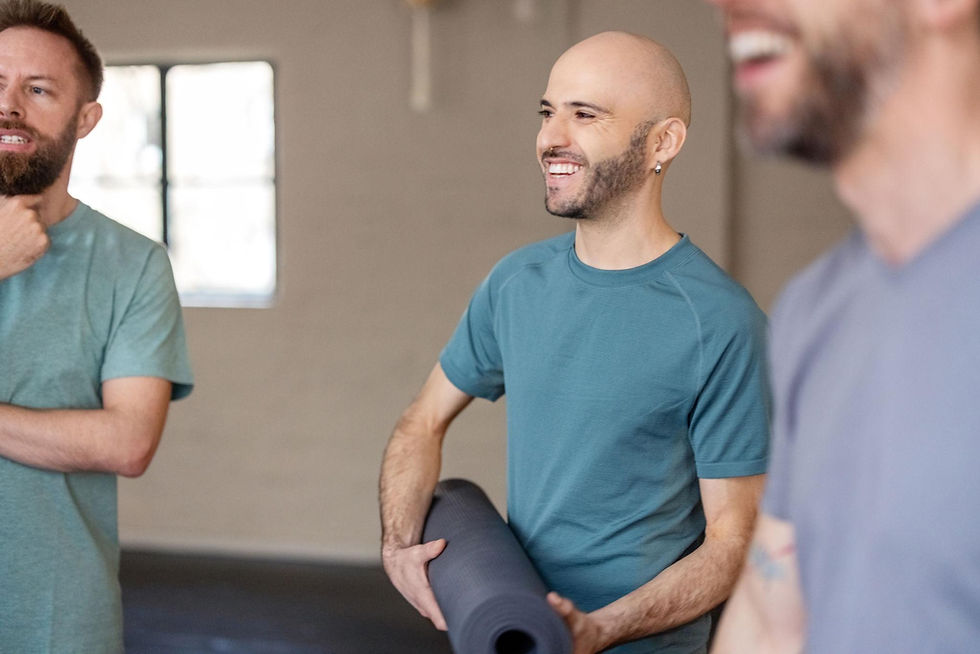
Healing also happens in community.
Practicing alongside others who value wellness, mindfulness, and resilience can create a powerful sense of connection. For veterans who may feel isolated after service, spaces that foster calm and belonging can be incredibly meaningful.
Yoga can be one more tool in that healing journey.

An invitation
If you’re new to yoga, know this: you don’t need experience, flexibility, or special equipment to begin.
All you need is the willingness to show up and breathe.
Whether someone practices once a week, once a month, or simply learns a few breathing techniques, yoga can become a steady resource for managing stress and reconnecting with the body.
Healing doesn’t happen all at once. But sometimes it begins with something very small: - A slower breath. - A relaxed shoulder. - A quiet moment of peace.
References
About the contributor
Titanium Yoga offers supportive, accessible yoga practices designed to help individuals reconnect with their bodies, reduce stress, and build resilience. With locations in Ponte Vedra Beach and Fruit Cove, they focus on creating safe, welcoming environments for all levels.
To learn more or explore classes, visit TitaniumYoga

Bringing wellbeing to life at work
At FitPros, we believe wellbeing is built through consistent, supportive experiences that help people feel more grounded, focused, and resilient.
From mindfulness and movement sessions to stress management and recovery-focused programs, our expert-led experiences are designed to meet employees where they are—making wellbeing practical, accessible, and engaging.
Visit FitPros.com to learn more about bringing wellbeing experiences to your workplace.
Looking for more? Contact a Wellbeing Manager to discuss your organizational wellbeing needs.

We provide workplace teams with mindful practices, personal and professional wellbeing growth, fitness instruction, and opportunities for social connection. We aim to inspire the highest potential in people at work, in life, every day, so they can show up healthy and at their best.


